Shale drilling and fracturing techniques could drive the development of geothermal power, the world’s leading energy organisation said today.
The International Energy Agency (IEA) said geothermal could provide massive amounts of stable power.
In its first report on geothermal, the IEA said the energy system could meet 15% of global electricity demand by 2050 with continued technological improvements and reductions in cost. This would be the equivalent of 6,000 terawatt-hours per year, the current electricity demand of the US and India, the agency said.
The IEA’s executive director, Fatih Birol, said:
“The new structure of geothermal is very similar to the oil and gas revolution. We see that the new technologies are unlocking the global potential with the so-called horizontal drilling and hydrofracking as used in shale.
“One of the drivers of this appetite for geothermal energy is the need for electricity for data centres. When you look at the United States, there is a big push for data centres, which want 24/7 electricity, making geothermal a good fit.”
Conversion of UK oil and gas sites
UK oil and gas operators have begun looking at the conversion of onshore hydrocarbon sites to geothermal, though with limited progress.
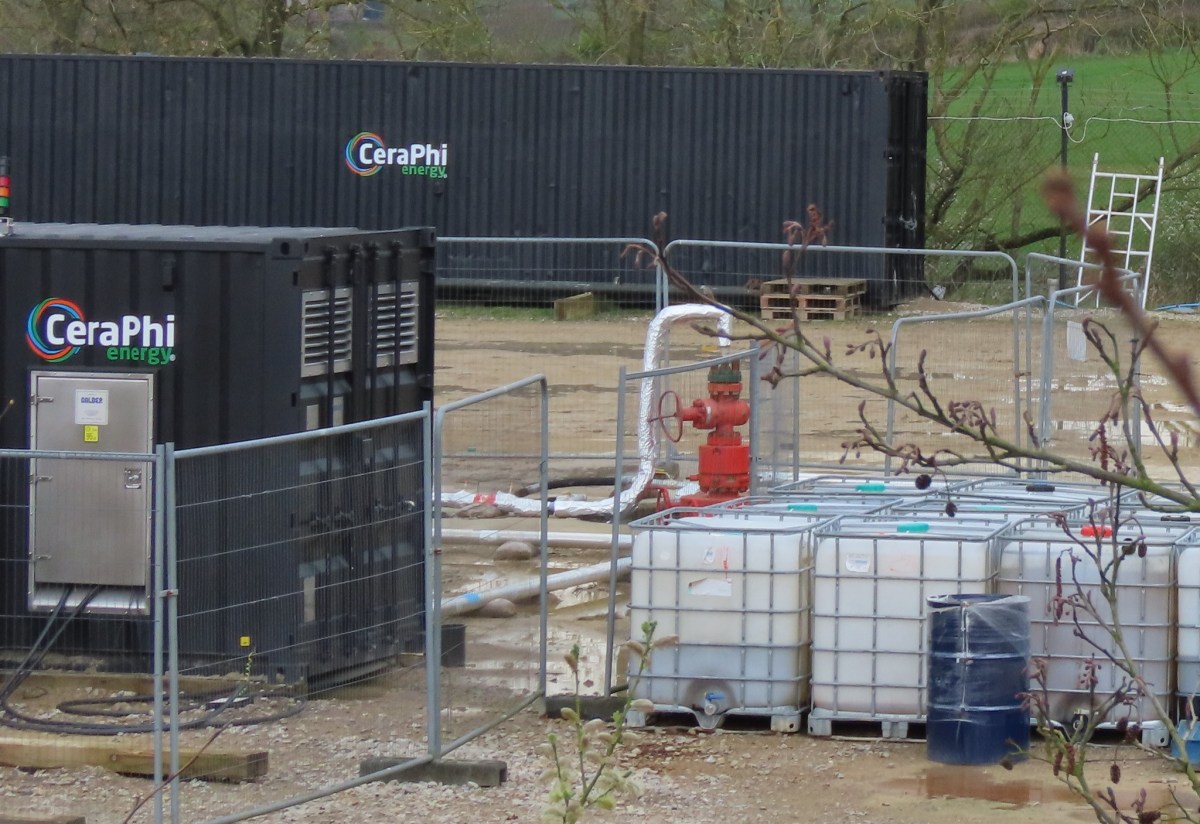
At Kirby Misperton, in North Yorkshire, the KM8 well, which was due to be fracked but never was, is furthest forward. It has become a pilot site run by CeraPhi Energy.
Three years ago, UK Oil & Gas plc (UKOG) announced plans for a geothermal hub at its Surrey oil site at Horse Hill. So far, no site work has been carried out and Horse Hill currently has no planning permission.
Early this year, (UKOG) also suggested using a suspended well at Broadford Bridge in West Sussex to produce geothermal energy, possibly for tea production. The proposal was rejected by councillors and the site also has no planning permission.
IGas, now Star Energy, announced an agreement in 2021 with CeraPhi to develop geothermal energy from existing oil and gas wells. The first project would be near Lincoln, the company said.
Also in 2021, the Australian mining group, which owns Cuadrilla, said it was continuing to assess the geothermal potential of Cuadrilla’s onshore UK well stock. Cuadrilla’s two horizontal wells at Preston New Road, near Blackpool, were fracked. This week, the company missed a planning deadline to plug and abandon both wells.
Skills overlap
The IEA report said “oil and gas industry expertise and resources could be particularly important for the development of next-generation geothermal technologies”.
It said enhanced geothermal systems relied on well stimulation, including hydraulic fracturing and directional drilling techniques, used in shale gas and tight oil operations.
The report said:
“Developing new geothermal projects requires subsurface evaluation, modelling, drilling and surface operations, similar processes to those used in many upstream oil and gas projects.
“Oil and gas service companies are becoming increasingly engaged in the technology, design and workflow aspects of geothermal asset development.
“The oil and gas industry most often produces oil from reservoirs up to 4 kilometres (km) depth, and it is increasingly targeting deeper zones that contain very large geothermal potential.”
The IEA said techniques to optimise geothermal output, monitor facility integrity and intervene in well underperformance were developed from oil and gas techniques. It said:
“Some of the largest overlaps between the skills and expertise of the oil and gas industry and geothermal projects apply to project evaluation, planning and management; drilling and completion; surface facility construction and maintenance; and operations and production monitoring.”
“The industry is also well placed to participate in the research and development needed to develop next-generation materials, chemicals and stimulation techniques”, the IEA added.
It estimated that about two-thirds of every dollar invested in conventional geothermal operations had a “significant overlap with the oil and gas industry”.
It added:
“For next‑generation geothermal technologies, we estimate that more than three‑quarters of the required investment is closely related to oil and gas industry skills and expertise.”
DrillOrDrop has closed the comments section on this and future articles. We are doing this because of the risk of liability for copyright infringement in comments. We still want to hear about your reaction to DrillOrDrop articles. You can contact us by clicking here.

 DRILL OR DROP?