The energy secretary, Ed Miliband, has been urged to widen the moratorium on fracking in England to include all forms of the process.
The moratorium, introduced after fracking caused earthquakes in 2019, covers only operations that meet the statutory definition, based on the volume of fluid used.
But opponents of onshore oil and gas have consistently called for the moratorium to be extended to operations that fracture rocks using lower volumes of fluid.
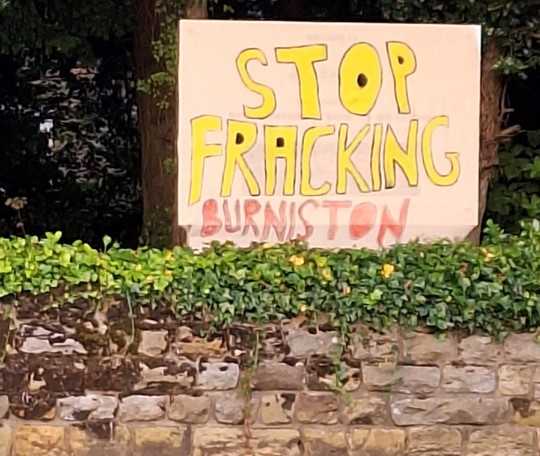
The issue recently made headlines because Europa Oil & Gas is seeking permission for a lower volume frack, known as proppant squeeze, at Burniston in North Yorkshire.
In a letter to Mr Miliband, Friends of the Earth today called on him to “take steps to ensure that the moratorium is widened to encompass all forms of fracking, whatever the volume of fluid used.”
It urged him to “do all in your power to ensure that this loophole is closed as a matter of urgency”.
The organisation said:
“Europa’s application has thrown up a very concerning issue: that the definition of fracking as per the current moratorium is not broad enough.”
The statutory definition of associated hydraulic fracturing was introduced in the 2015 Infrastructure Act and incorporated into the Petroleum Act 1998.
The acts define the process as hydraulic fracturing of shale or strata encased in shale which injects, or is expected to inject more than 1,000m3 of fluid at each stage or more than 10,000m3 of fluid in total.
Friends of the Earth said this is narrower than the definition in national planning policy, which does not have a threshold based on the volume of injected fluid. It quoted the definition in National Planning Policy Guidance:
“Hydraulic fracturing is the process of opening and/or extending existing narrow fractures or creating new ones (fractures are typically hairline in width) in gas or oil-bearing rock, which allows gas or oil to flow into wellbores to be captured.”
The North Yorkshire Minerals Plan definition of fracking is also not based on the volume of liquid used.
Burniston resident and retired headteacher, Jenny Hartley, who’s on the steering group for Frack Free Coastal Communities, said:
“The government must end the confusion over fracking by strengthening its weak moratorium. If it doesn’t, more communities like Burniston will be at risk. Across the UK, the message is loud and clear: no to fracking. Mr Miliband must act.”
“Unclear statements”
Friends of the Earth also accused the energy minister, Michael Shanks, of making unclear statements on what is fracking.
A letter from the minister in September 2024, which stated that proppant squeeze was not fracking, had been relied on by Europa to support its project, Friends of the Earth said.
The organisation said a recent written opinion from the leading environmental barrister, Estelle Dehon, said the letter was “misleading”:
“Very great care must be taken with this letter, as it is misleading as to the definition of fracking for planning purposes”.
Friends of the Earth said:
“That the Minister has made unclear statements on what fracking is further underscores the need for the moratorium to be amended urgently, so that the definition of fracking included in the Petroleum Act matches that in the NPPG, and confusion is avoided.”
Friends of the Earth’s senior lawyer, Katie de Kauwe, said:
“The UK government has repeatedly pledged its opposition to fracking – now it must back that up by closing the gaping loophole that currently exists. If it doesn’t, developers will exploit it and push for new fracking developments, regardless of the opposition of local people. Europa’s application in Burniston, North Yorkshire is a textbook example of this.
“This proposal has also highlighted the confusion caused by the different definitions of fracking in national planning policy and UK legislation. Plus, it’s concerning that the company is using a ministerial statement, which we believe is misleading and inaccurate, to support its application. We have written to the Secretary of State to raise this.
“If the government is serious about listening to local people and ending fracking, it must strengthen the moratorium to cover all forms of the technique – regardless of size, method, or name.”
Friends of the Earth also called for “climate-positive” amendments to the National Planning Policy Framework. It said these should include the removal of the “great weight” given to the “benefits” of conventional and unconventional oil and gas extraction. It also called for the removal of coal, oil and gas from the definition of mineral resources of local and national importance.

 DRILL OR DROP?