Increased traffic and the impact on road safety was the second most often mentioned reason to object in the public consultation to Europa’s plans.
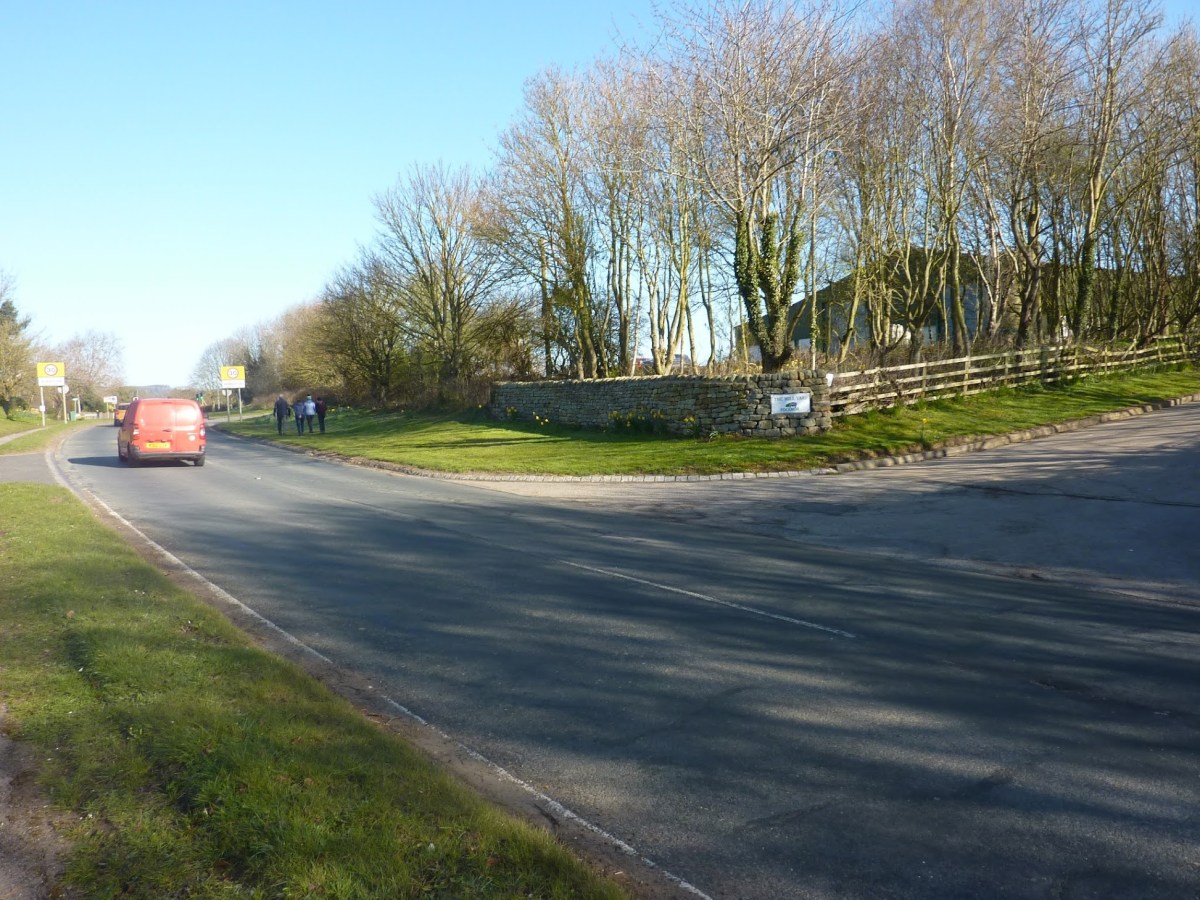
Our analysis of the responses showed concerns about traffic were mentioned in just over half the objections. A big worry was about increased numbers of heavy goods vehicles (HGVs) on narrow village roads.
Europa’s transport assessment said there was “sufficient capacity” on the road network for the level of traffic generated by the scheme.
Main concerns about traffic
Lorries on “highly unsuitable” local roads
Responses identified problems on all three of Europa’s proposed HGV routes. CPRE North and East Yorkshire (CPRENEY) described the potential routes as “highly unsuitable” for the larger vehicles that would visit the site.
The company is proposing:
- Southern route 1 along the A165 coastal road through Scarborough and Scalby Mills to Burniston
- Southern route 2 along the A170 from the A1(M) or the A64 from York, through Falsgrave, west of Scarborough, Barrowcliff, Newby, Scalby and into Burniston on the A171, before turning south to the site.
- Northern route on the A171 through Cloughton and Burniston
Consultation responses identified the following difficulties on the routes:
- Northern route requires large vehicles to navigate local narrow roads in villages, often with parked cars
- Some of the routes require large vehicles to pass school children and young families “adding to intimidation on the roads”
- Pinch points include:
- Mini roundabout outside the Jolly Sailors pub, Burniston
- Narrowing of the A171 outside Burniston Village Shop
- A171 around The Red Lion, Cloughton
- Double bends on the A171 near Scarborough Youth Hostel
- Southern routes through Scarborough and out to the A64 were described as “saturated with HGVs” throughout the year. They routes would be along residential roads, passing key attractions and tourist accommodation
- Rights of way and local roads to the site are used by horse-riders, cyclists, dog-walkers, joggers and walkers for recreational and amenity uses
Burniston Parish Council said Newby, Scalby, Burniston and Cloughton, all on the HGV routes, were mainly residential areas. It said:
“There are no high volume HGV movements in these areas, certainly in comparison with larger towns and cities. …
“The road network was built at a time of very little motor vehicle movement and has been widened for footpaths, in most places as much as it can be. We are extremely aware of the local existing fear, around road safety and the fear of a large increase in HGV traffic and the danger that people are feeling.”
The North York Moors Association said:
“All of the possible approaches by road involve small bridges, and we do not believe that either the amount of traffic or how they will have to negotiate these bridges is appropriate for this area.”
One response said:
“The application has poor clarity regarding the transport routes, it says at one point that a transport plan will be agreed following granting of the permission – this is totally unacceptable, there needs to be clarity to enable proper scrutiny.”
Another said:
“As someone who lives on the proposed Southern Route 1 (Burniston Road to Coastal Road), the extra HGVs will impact on my enjoyment of my property, making it difficult to enter and exit my driveway, and will increase fumes from traffic.”
Traffic numbers
Responses raised concerns about Europa’s estimated traffic figures. One described them as “unclear and potentially misleading”:
The company estimated a total of 1,154 HGV visits over the life of the project, with up to 18 HGV visits per day. This represents 2,308 total journeys for the project and up to 36 journeys daily.
Europa said the development would add no more than 0.63% to daily vehicle movements during the summer and 0.79% during the non-tourist season.
But one response said:
“While the tables provide projected numbers of HGV movements, the application describes the need for waste to be removed by vehicles, but waste disposal is not clarified in terms of which vehicles and when and did not seem to be included in the calculations. The air quality report mentions an additional 50 passenger cars and light goods vehicles every day, but again these numbers are not included in the increased traffic calculation, and it is not clear which vehicles these are.”
The response added:
“The calculations on traffic provide only a percentage increase, this is totally unsatisfactory as it does not provide a sufficiently accurate assessment of potential impacts of traffic associated with the proposal. …
“In order to assess the impact of all the proposed large vehicles on this road, there needs to be a proper calculation of how many HGVs currently use the route and a percentage increase in that, not a percentage increase in traffic. The calculations also have been largely based on the coastal road, whereas the main HGV route cited in other places in the application is the Burniston Road route.”
Another response said:
“None of the access roads to the proposed site are sufficient to carry the proposed number of lorries and other associated vehicles. These roads are already very busy daily and extremely busy at peak times causing congestion and pollution.”
Europa has said HGV arrivals and departures would avoid what it called “peak hours”. But responses said this suggested “a lack of understanding and appreciation of the uniqueness of the area”.
One response said:
“It is predominantly a holiday and retirement area, with little congestion at peak hours compared to other areas such as large towns and cities, instead, traffic is spread throughout the day. During holiday times, the busiest times tend to be later morning and early afternoon.”
Another response was from a resident of Burniston for 35 years, who now lives on the HGV route through Scalby and Newby. The response said:
“People should have the right to live peacefully and in quiet enjoyment of their homes and gardens without the noise, pollution, vibration and increased traffic to and from the site”.
Road safety
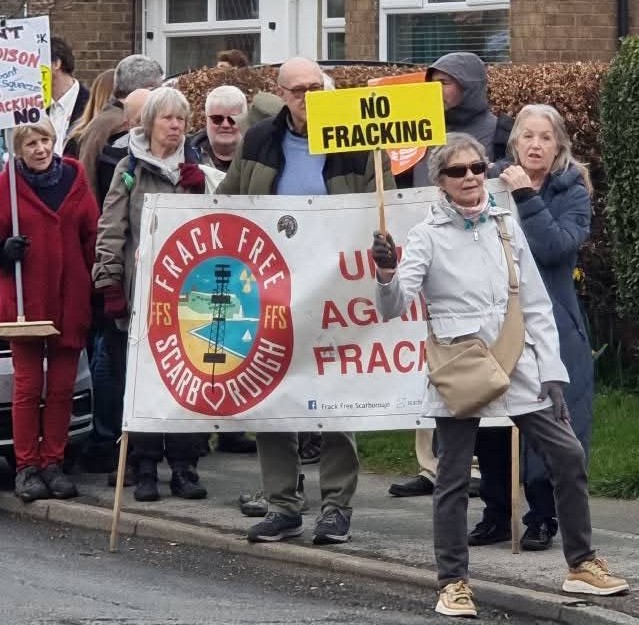
Responses said Burniston and Cloughton main streets had a poor injury accident record. Most accidents involved vulnerable road users, including motorcyclists and pedestrians, they said.
Many families walk to Lindhead School along the A171 and older people use the road on narrow pavements, the responses said.
Scalby and Newby Village Trust said this walk to school for children would become more dangerous.
Another response said:
“The risks of traffic pollution on lung health – particularly for children who are more susceptible as they are closer to the fumes – is well documented.”
Cloughton Parish Council described the proposed site location at Burniston Mill as “a safety risk for all forms of traffic”.
Another response said:
“Any increase in traffic must inevitably lead to an increased risk of accident to other road users. In my view, this increased risk – especially to pedestrians, cyclists and children is unacceptable and the application should be refused.”
Site access
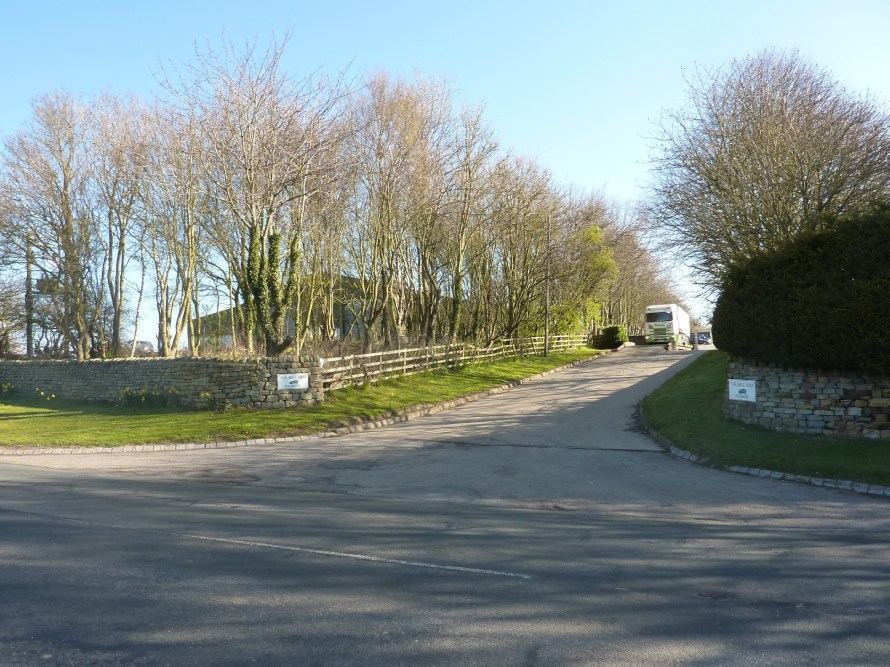
Cloughton Parish Council criticised the proposed site access, which would open onto a road with a 60mph speed limit. It said:
“Conflict with slow moving HGVs is a major concern. Secondly, the layout of the road means that HGVs will be leaving the site close to a blind bend. Crossing the carriageway to reach the road which will give them access to Scalby Road, turning into fast moving traffic when they cannot be seen due to the bend and mixing slow vehicles with fast traffic (especially motorbikes) could be a recipe for disaster.”
Europa has planned no changes to the site access. It said:
“The access has good sight lines and is suitably wide to cater for HGVs [heavy goods vehicles]. There has been no conflict with HGVs associated with the industrial units and the Mill. It is therefore considered to be a safe and established means of access.”
But Burniston Parish Council said:
“the current pathway made of the grassland construction is entirely unsuitable for HGV access. The pathway is not straight enough to allow HGV access, particularly larger, up to 44 tonne, HGV’s. In order to make the site accessible the crooked leg of the roadway, commencing in Mill yard and past the solar farm will need straightening and hard core being laid. To not do this, would make the site inaccessible to vehicular traffic possibly after even the first attempt.”
One response explained that the access off the A165 would be shared with Scarborough and Burniston Coast Guard Rescue Team:
“the drilling site would be directly behind our unit, this is also where we keep the emergency vehicles. I don’t see how we could safely operate from that location if this goes ahead. The access is through our car park. Obviously, we are an emergency service and therefore have to come and go in a hurry.”
Failure to comply with legislation
Several consultation respondents stated that the application failed to comply with roads legislation.
One quoted duties under the Highways Act 1980 to maintain highways (section 41) and protect public rights on highways (section 130. The respondent said:
“The anticipated increase in heavy goods vehicle (HGV) movements from the proposal poses substantial risks of damage to local road infrastructure, compromising public safety, air quality, and noise levels.
“Insufficient traffic management and mitigation plans could contravene statutory obligations to ensure safe and adequate public highway maintenance and management.”
The same respondent said Europa’s traffic management plan “did not sufficiently address the anticipated increase in heavy vehicle movements through Burniston village. The objection continued:
“This raises serious concerns about road safety, congestion, and wear-and-tear on local infrastructure and the omission of mitigation measures within this plan presents a clear risk to the local transport network.”
Other articles about responses to the consultation
Proppant squeeze/fracturing and induced seismicity

 DRILL OR DROP?