More transparency is needed on progress to ending routine venting and flaring of methane at UK oil and gas sites, a parliamentary report said today.
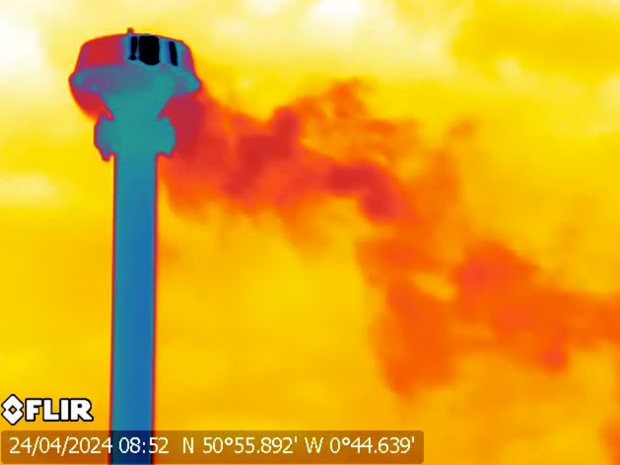
The industry has committed to end the practice by 2030 as part of measures to cut methane emissions.
Methane is responsible for around 30 per cent of global heating since the industrial revolution. It is around 80 times more potent than carbon dioxide over 20 years.
The upstream oil and gas sector (exploration and production) has reduced methane emissions by 70%, according to the industry regulator, the North Sea Transition Authority (NSTA).
But methane emissions from UK oil and gas sites still account for more than 7% of the national total.
And the main sources of methane emissions from upstream oil and gas come from flaring (29%) and venting (46%).
The report from the House of Lords environment and climate change committee said:
“Transparency and accountability on progress towards the target date must be enhanced.
“A roadmap should be published by industry to enable Government and the public to monitor industry’s progress. This should detail the obstacles to tackling routine flaring and venting at the level of individual oil and gas platforms.”
The UK committed in 2021 to further methane reductions from the oil and gas sector under the global methane pledge.
The International Energy Agency has said “reducing methane emissions from oil and gas operations is among the most cost-effective and impactful actions that governments can take to achieve global climate goals.”
The Clean Air Task Force, which has monitored UK flaring and venting, described methane emissions as a “major economic loss” for the oil and gas sector. It estimated that the UK had lost £2.6 billion worth of gas to flaring and venting in the last decade.
But the former Conservative government rejected recommendations to bring forward the end to routine flaring from 2030 to 2025. The committee said multiple witnesses to its methane inquiry supported an earlier date. The industry and the NSTA said the 2030 target was “technically challenging” and may affect investment.
Baroness Sheehan, chair of the committee, said:
“Methane is eighty times more powerful than carbon dioxide and responsible for around thirty percent of the global warming we see to date. But, here’s the gamechanger: it is much shorter-lived in the atmosphere than carbon dioxide so, rapidly decreasing emissions of methane can help cool the planet.”
The report also raised concerns about possible gaps in the regulation of methane-emitting activities, where emissions were “not subject to direct regulation” and were “not being adequately monitored or managed”.
It called for a government methane action plan setting out how the UK would meet its global commitments.
It said there should be improvements in leak detection and repair and a “more robust approach” to breach of regulations may be needed in future. The NSTA should consider the use of larger fines against operators, it added.
Updated 11/12/24 to include reference in the report to gaps in regulation of methane-emitting activities
DrillOrDrop has closed the comments section on this and future articles. We are doing this because of the risk of liability for copyright infringement in comments. We still want to hear about your reaction to DrillOrDrop articles. You can contact us by clicking here.

 DRILL OR DROP?