A landmark ruling requiring Shell to cuts its carbon emissions has been overturned.
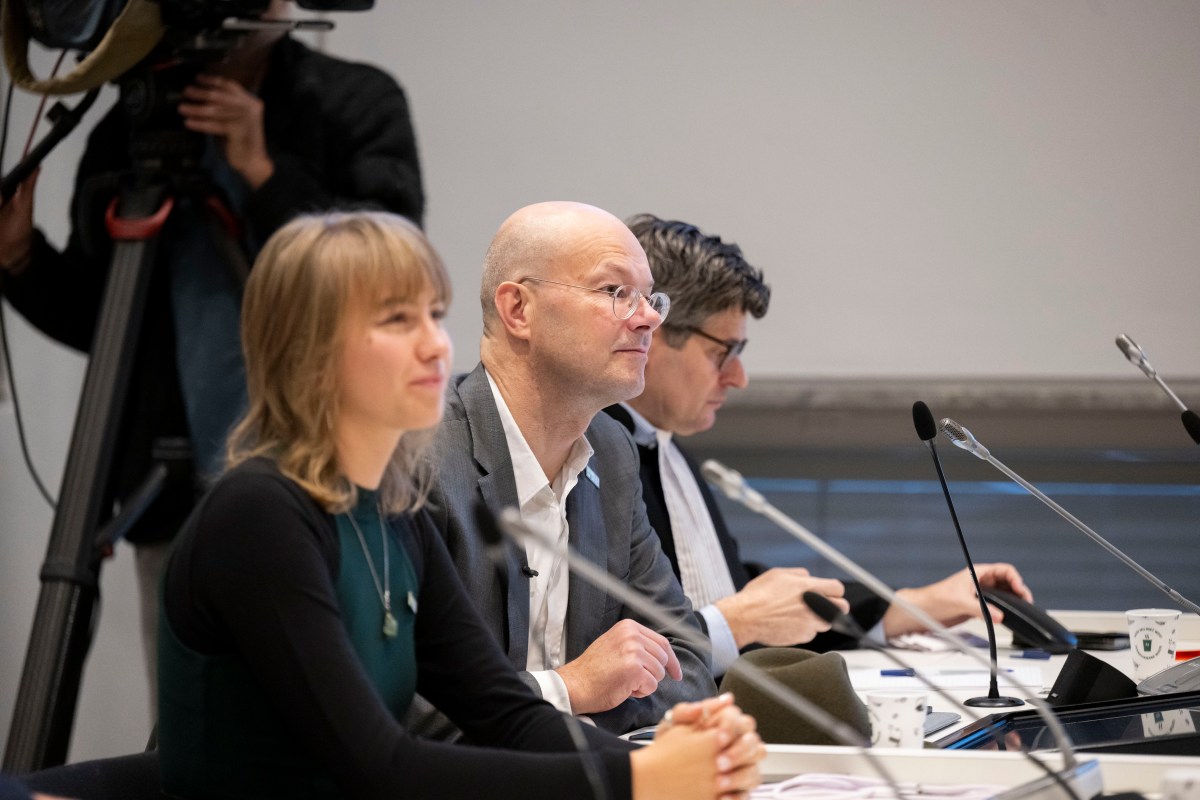
The Hague court of appeal dismissed a 2021 ruling that ordered Shell to cut its carbon emissions by 45% by 2030.
The court said it could not establish that Shell had a “social standard of care” to reduce its emissions by 45% or any other amount.
It also agreed with Shell that an absolute order to reduce emissions from its products could have an adverse effect worldwide, because it could cause customers to switch from using Shell’s gas to more polluting coal.
But the court did rule that the company had an obligation to citizens to reduce its carbon emissions – though without imposing a legal obligation.
The court also said protection from climate change was a fundamental human rights and that exploration for new oil and gas fields was against the Paris climate agreement.
The 2021 ruling followed a case brought by Milieudefensie (Friends of the Earth Netherlands) and 17,000 citizens.
It was the first time a court had ordered a private company to align its operations with the Paris climate agreement. This meant it was not enough for a company to comply with the law. It also had to comply with global climate policy.
Shell’s chief executive, Wael Sawan, said in a statement today:
“We are pleased with the court’s decision, which we believe is the right one for the global energy transition, the Netherlands and our company”.
The company said it was continuing its work to halve emissions for operations by 2030. “We are making good progress in our strategy to deliver more value with less emissions.”
Milieudefensie described today’s decision as a “setback”.
Donald Pols, director of Milieudefensie, said:
“We are shocked by today’s judgment. It is a setback for us, for the climate movement and for millions of people around the world who worry about their future. But if there’s one thing to know about us, it’s that we don’t give up. This setback will only help us grow stronger. Large polluters are powerful. But united, we as people have the power to change them.”
Mr Pols added:
“This hurts. At the same time, we see that this case has ensured that major polluters are not inviolable and has further fueled the debate about their responsibility in combating dangerous climate change. That’s why we’re going to continue to tackle big polluters, like Shell.”
Milieudefensie did not confirm whether it would appeal to the Netherlands Supreme Court.
DrillOrDrop has closed the comments section on this and future articles. We are doing this because of the risk of liability for copyright infringement in comments. We still want to hear about your reaction to DrillOrDrop articles. You can contact us by clicking here.

 DRILL OR DROP?