The decision over plans to extract oil in the Lincolnshire Wolds looks likely to be delayed.
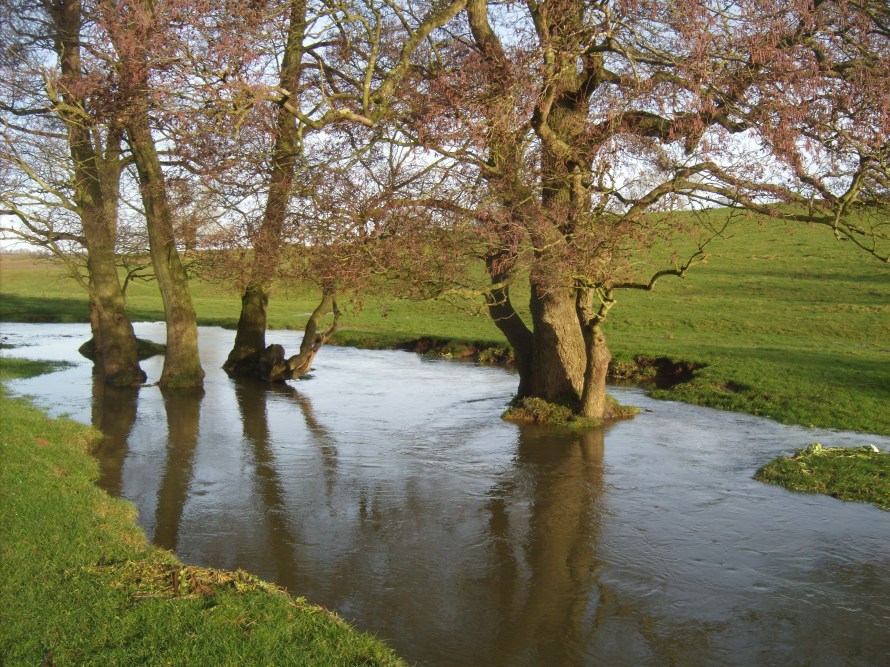
Photo: SOS Biscathorpe
Egdon Resources is seeking approval for long-term oil production in the village of Biscathorpe in a planning dispute dating back more than four years.
The company is preparing for its second appeal against a refusal of planning permission.
Earlier this year, the company submitted the first assessment of the climate impact of onshore oil in the UK. This focussed on greenhouse gases released when Biscathorpe oil was burned, known as scope 3 or downstream emissions.
A consultation on that assessment, contained in an addendum to Egdon’s environmental statement, ran until Wednesday 12 February 2025.
But now Egdon has been asked by the Planning Inspectorate (PINS) to provide more information, probably on the effect of the Biscathorpe scheme on the environment.
PINS told DrillOrDrop there would now be a new consultation on the company’s additional information when it has been submitted.
A new hearing in the appeal had been expected in the spring.
But a spokesperson for PINS said:
“There is a further period of consultation that will be taking place once further information has been submitted by the Appellant.”
PINS did not give the deadline for submission of Egdon’s additional information or the timing of a new consultation.
We asked PINS what the information was about. We also asked whether there had been a formal request, under regulation 25 of the Town and Country Planning (Environmental Impact Assessment) Regulations 2017.
The regulations allow a decision-maker to require an appellant to provide additional information necessary to reach a reasoned conclusion on the likely effect of a development.
PINS told us we must submit a request under the Freedom of Information Act to get answers to these questions. We have done this and the answers are due within 20 working days (20 March 2025).
Consultation responses
DrillOrDrop understands that formal responses to the Egdon addendum have been submitted by groups opposed to onshore oil and gas developments or with concerns about the Biscathorpe proposals. None of these responses have been published online.
A PINS spokesperson said Lincolnshire County Council would be asked to ensure that responses were published from the first appeal, the recent consultation and “any final consultation (tbc)”.
The spokesperson said:
“This will be available before any planning decision is made.”
DrillOrDrop has seen the response from the Weald Action Group (WAG) to the recent consultation.
WAG supported a successful landmark case at the Supreme Court brought by Sarah Finch on scope 3 emissions (see background below).
In its response, WAG called for postponement of consideration of the Egdon addendum. The group said it should wait until revised supplementary national guidance has been published on assessing the effects of emissions on climate from offshore oil and gas projects.
WAG had criticised Egdon’s approach on assessing scope 3 emissions against UK carbon budgets. It said the approach was “flawed” and had led to “entirely misleading conclusions” by Egdon.
The group also said PINS should consider other aspects of the Biscathorpe application that were “cause for concern”. The group said this should particularly include whether the application met the “public interest” test for allowing major developments in National Landscapes.
We will report in more detail on this and other responses when they are published.
Background
The Biscathorpe production proposal was announced in 2020. Lincolnshire County Council refused permission in November 2021.
Egdon successfully appealed and was granted consent in November 2023. A planning inspector ruled that national need for oil justified production in the Lincolnshire Wolds Area of Outstanding Natural Beauty.
The campaign group, SOS Biscathorpe, brought a legal challenge at the High Court in June 2024 against the inspector’s decision.
The planning approval was quashed in July 2024 following the landmark judgement at the Supreme Court. This ruled that decision-makers must take account of the greenhouse gas emissions from burning of oil extracted onshore. The inspector had not done this in his 2023 decision.
DrillOrDrop has closed the comments section on this and future articles. We are doing this because of the risk of liability for copyright infringement in comments. We still want to hear about your reaction to DrillOrDrop articles. You can contact us by clicking here.
Categories: Regulation, slider

 DRILL OR DROP?