The UK government is being urged to adopt tough controls in the coming weeks on methane releases from the oil and gas industry.
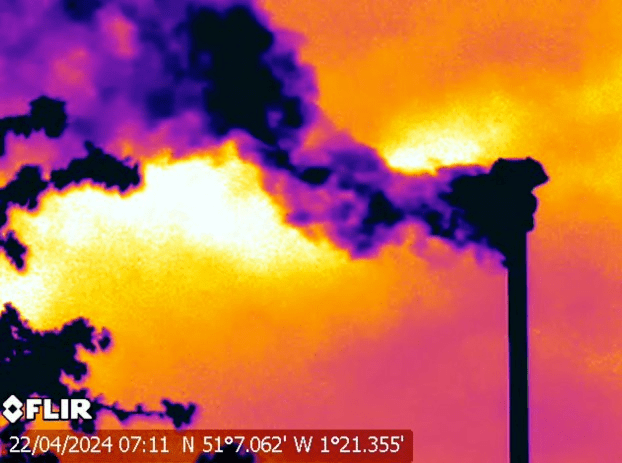
Photo: Clean Air Task Force
The energy secretary, Ed Miliband, announced during the summer he would develop a National Methane Action Plan to reduce emissions. It is expected to be published before COP30, the UN climate conference in Brazil in November.
Methane is a powerful greenhouse gas, responsible for 0.5 degrees C of warming.
The energy sector accounts for 11% of UK methane emissions. But a study by Princeton University suggests up to five times more methane is being leaked from UK oil and gas production than reported.
Environmental campaigners said this week that tackling methane was one of the cheapest and most effective strategies to slow global warming.
But they said the gas was “dangerously underregulated” in the UK and the country was lagging behind on methane reduction from oil and gas facilities.
Without clear rules, the UK risked becoming a “dumping ground” for high-emissions fuels no longer acceptable in the EU, the campaigners have said.
The UK Methane Campaign, a network of environmental organisations, has organising a letter-writing campaign calling on Mr Miliband to “commit to develop a strong, enforceable regulation of methane emissions from the fossil fuel sector in the UK’s forthcoming National Methane Action Plan.”
The letter said the UK’s action plan must “reflect genuine leadership that matches the ambition of other international partners”. It said:
“an announcement of concrete methane rules would show that the UK’s leadership is credible and not just symbolic.”
The letter added:
“We encourage you to seize this opportunity and commit to developing regulations on methane emissions from fossil fuels produced at home and imported into the UK.
“This is one of the fastest and cheapest solutions we have to address climate change, hold major polluters accountable, and safeguard the UK’s climate credibility.
“We cannot afford to miss this opportunity.”
UK oil and gas sites burn (flare) and release (vent) methane, even though these are not regarded as best practice.
Emily Mott, the UK Methane Campaign lead and a member of the Weald Action Group, said:
“In the UK, there is no upper threshold for methane emissions from the fossil fuel industry and oil and gas companies are essentially permitted to pollute.
“Countless wells are spewing dangerous and potent greenhouse gases into the atmosphere 24/7. Millions of tonnes of methane have been deliberately released, vented and combusted, leaving a toxic legacy.
“Grassroots organisations around the country are only too aware of the negative impacts of methane on the climate, human health and nature and we want the UK government to act now.”
The UK has led the world in putting methane on the climate agenda. It played a key role in launching the Global Methane Pledge at COP26, the climate conference in Glasgow in 2021.
But Rebecca Tremain, UK Director of the Clean Air Task Force, said:
“without domestic rules to cut emissions from oil and gas, that leadership risks ringing hollow.
“With proven solutions ready to deploy offshore, the government has a clear opportunity to turn international commitments into real action.
“Strong methane regulation would safeguard UK energy security, keep our exports competitive in Europe, and show that the UK is serious about delivering on its climate promises.”
The UK Methane Campaign said North Sea oil companies were currently wasting enough gas to supply at least 700,000 average UK homes each year. The UK plans to ban venting and flaring of methane in 2030. In the meantime, the country will waste enough gas to supply the annual needs of nearly 4 million average homes, the campaign said.
Cutting methane releases has become economically more attractive as the price of energy has risen.
The International Energy Agency has estimated that if gas flared in routine operations across the world was brought to market the revenues would be about US$60 billion.
The agency also estimated in 2022 that 72% of leaks from the UK oil and gas sector could be abated with existing technologies. The cost of fixing the leaks would be less than the value of the recovered gas, it said.
- Organisations can read the letter to Mr Miliband and add their names here

 DRILL OR DROP?