
On the eve of the public inquiry into Cuadrilla’s Lancashire shale gas plans, the Oscar nominated actor, Mark Ruffalo, has urged the Prime Minister to ban fracking in the UK. In an interview with the campaign group, Friends of the Earth, the US actor said David Cameron was […]

Euro-MPs voted last week to urge member states not to allow any new hydraulic fracturing operations.

In this Fracking Week in Westminster Chris Matheson on chemical leaks and fracking in the countryside Alex Cunningham on licence block boundaries Baroness Featherstone on Government support for fracking Role of shale gas to tackling fuel poverty Community veto for fracking plans Nuclear and shale gas versus renewables
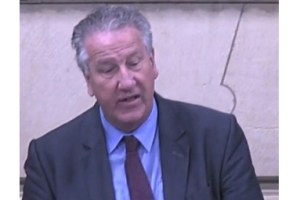
The Conservative MP for Warrington South, David Mowat, has replaced Kevin Hollinrake as vice-chair of a parliamentary group on unconventional gas and oil.

The public inquiry examining Cuadrilla’s appeal on its applications to frack in Lancashire is expected to hear 15 days of evidence, under a programme published this week.
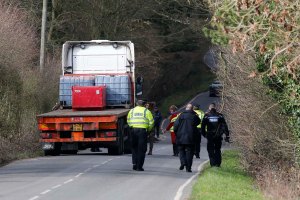
Police have warned protesters outside an exploratory oil site near Gatwick airport they would be arrested if they tried to slow down vehicles delivering equipment.

Our digest of January’s headlines about fracking, shale and onshore oil and gas developments – and reaction to them, including:
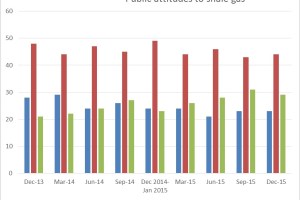
Fracking opponents are most likely to be women, aged 45-64, doing managerial or professional work and living in rural areas, according to the latest findings of an ongoing government survey of public attitudes to shale gas.

Opponents of fracking in Ryedale took their message directly to their MP yesterday (30/1/2016) with a protest outside Kevin Hollinrake’s constituency surgery in Thirsk.
In this Fracking Week in Westminster Peers discuss coal bed methane extraction in the Forest of Dean Questions on methane emissions from shale gas sites and funding for fracking ‘Permission in principle’ and fracking Kevin Hollinrake’s debate on shale gas and the economy

 DRILL OR DROP?