The government has been urged to withdraw the licence for oil operations at Balcombe in West Sussex because of the risk of water pollution.
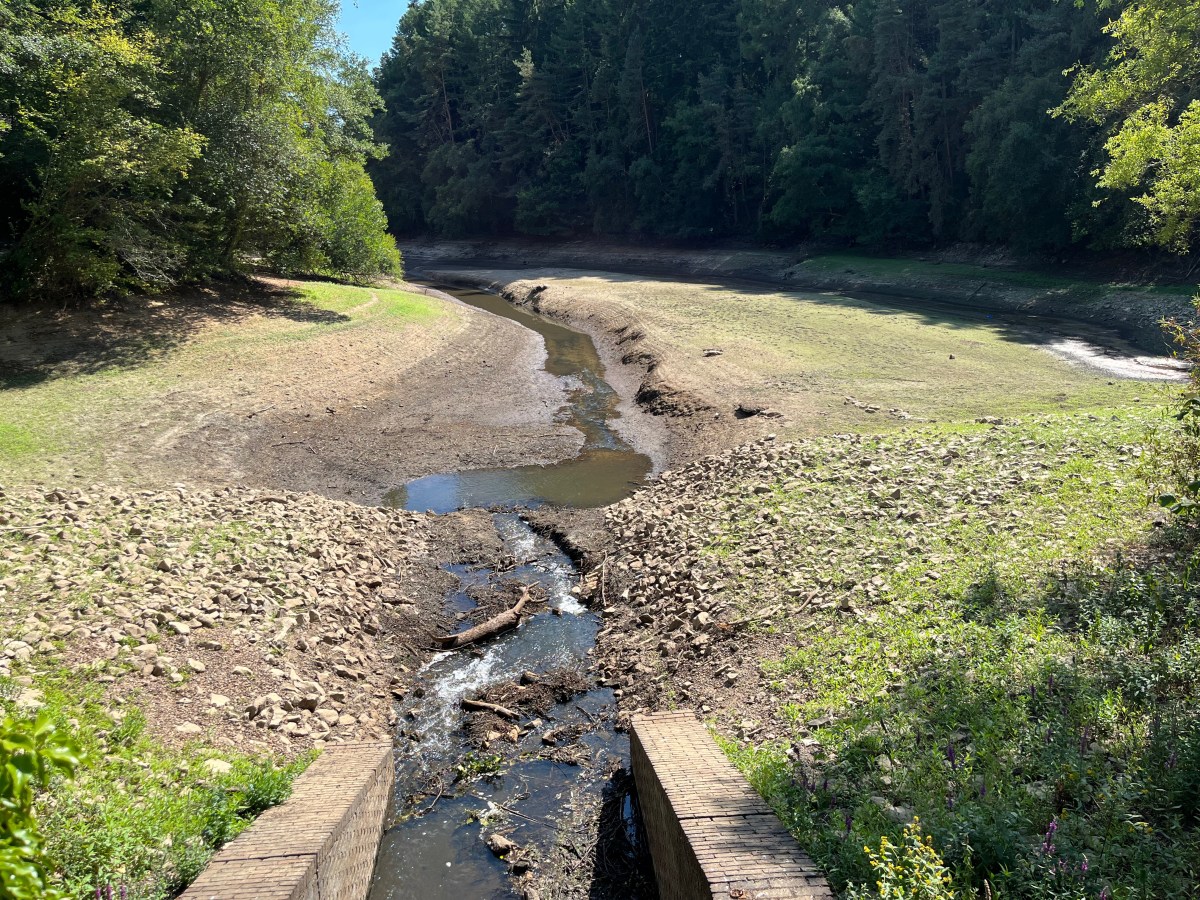
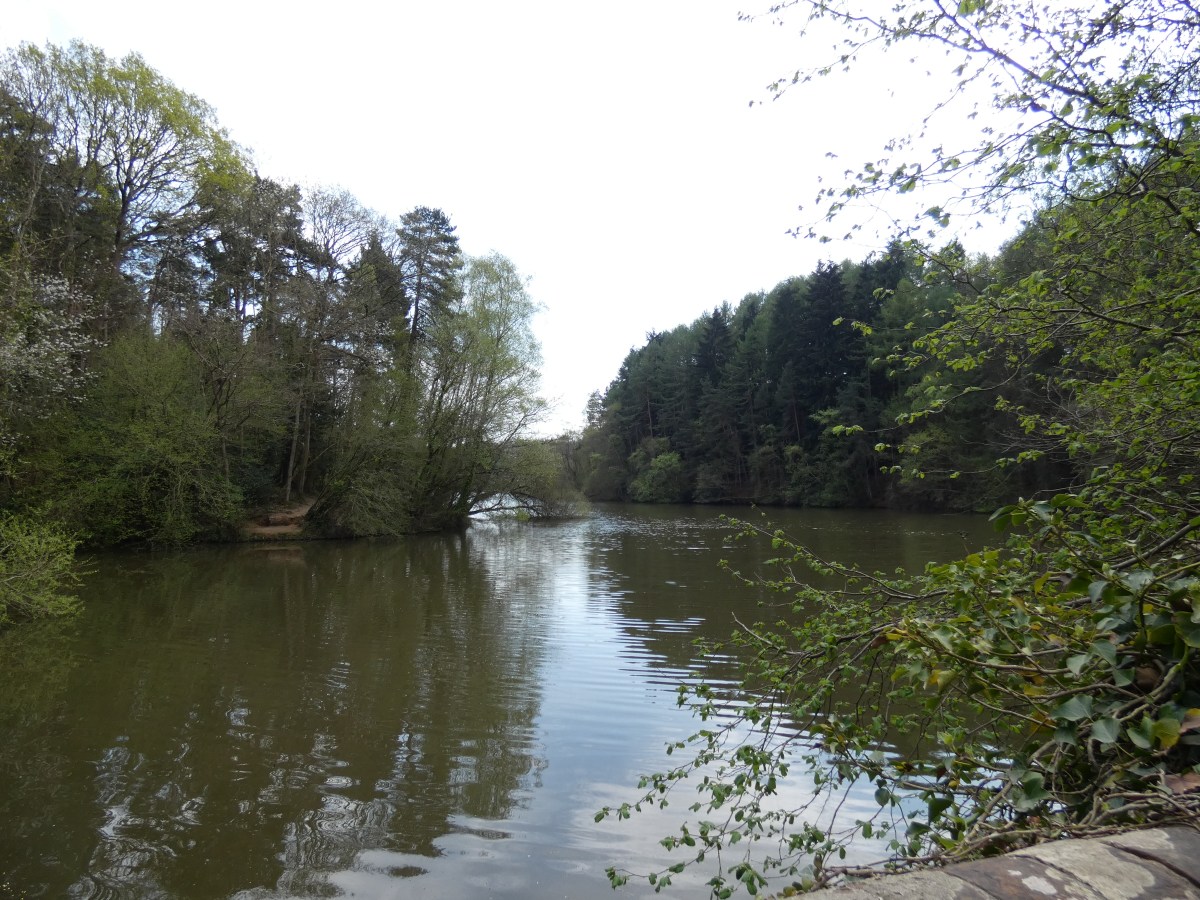
Photos above: left Ardingly Reservoir in August 2025; right the same area of the reservoir in April 2020.
Source: Frack Free Balcombe Residents Association
In a letter to the water minister, the local Conservative MP, Mims Davies, has raised local concerns about a threat to the Ardingly Reservoir, which supplies the area’s drinking water.
Residents have repeatedly warned of a plausible contamination link between Ardingly and the Angus Energy well site at Balcombe.
When reservoir levels are low – currently below 28% – water is pumped from the River Ouse to manage supplies. Tributaries of the Ouse are about 10m from the well site.
Earlier this month, the Environment Agency declared a drought in the area supplied by South East Water. The company is planning to increase the amount of water taken from the Upper Ouse to supplement Ardingly.
Ms Davies urged ministers:
“on behalf of, not just my constituents directly affected by the Angus Energy oil well in Balcombe, but all those across the constituency and beyond who rely on the Ardingly Reservoir and its source rivers and streams for water, I would ask you, as a matter of urgency, to intervene and rescind Angus Energy’s license to drill in this highly sensitive environment.”
She said:
“Should the Ardingly Reservoir become contaminated, the consequences to the drinking water supplies for 1000s of residents would be severe. Contamination of an inland reservoir or river system is known to be persistent and highly damaging, extremely difficult and costly to restore.”
Earlier this year, Balcombe villagers lost a legal case against testing the oil well. A planning inspector had previously allowed an appeal by Angus Energy against an earlier unanimous refusal of planning permission by West Sussex County Council.
Ms Davies said:
“the proposal to increase pumping, at the same time Angus Energy plans to increase its activity at the oil well, clearly exacerbates the risks of water contamination to Ardingly reservoir from the Balcombe site.”
She said there was:
“the very real threat of catastrophic contamination of Ardingly Reservoir, the noxious site pollution blighting a small rural village, environmental damage to an AONB, overwhelming opposition by residents and local authorities and ongoing, severe water supply issues”.
She added:
“I am at a loss to understand why the Government Planning Inspector overturned the appeal and approved flow testing on this site.
“And for what do we risk polluting this precious, vital resource in an area known to be highly water-stressed and under relentless, increasing pressure? An oil well – a speculative, unsustainable and commercially non-viable fracking site squatting in the High Weald Area of Outstanding Natural Beauty (AONB).”
“Deeply concerned”
Helen Savage, of the campaign group Frack Free Balcombe Residents Association (FFBRA), said:
“Ardingly Reservoir is a critical water source for Mid Sussex.
“We are deeply concerned about the hydrological connection between the Balcombe oil site operated by Angus Energy and the reservoir.
“If a spill or chemical release were to happen, there is a real risk that contaminants could enter the water system — with serious consequences for people, wildlife, and the wider environment.”
The group said South East Water’s risk assessment for increasing pumping from the Ouse to Ardingly did not mention the risk of oil spills from the Balcombe site. Nor did it mention any kind of monitoring or emergency shut-down system to protect the reservoir from a potential contamination incident upstream, FFBRA said.
A report, commissioned by FFBRA, described as “wholly inadequate” the proposed mitigation at the Balcombe site to protect groundwater.
FFBRA is calling for:
- Immediate independent hydrological study of potential contamination pathways between the oil site and Ardingly Reservoir
- Precautionary halt to any oil extraction plans
- Consultation with local residents before a final decision is made
- Emergency monitoring system to check for oil contaminants in the Upper Ouse, linked to an emergency shut-off of pumping into the reservoir.
FFBRA’s chair, John Clarkson, said:
“This is not just about Balcombe. It is about safeguarding clean water for thousands of households in West Sussex. Once a water source is contaminated, the damage is often irreversible.
“The changes to the pumping schedule are required to provide sufficient water for the people of West Sussex. Future changes will also be needed to cope with the impacts of climate change. It is alarming that an oil well so close to the reservoir increases the risk to the ability to provide clean water at a time of increasing water scarcity.”
FFBRA said the Environment Agency told it:
“We consider the testing for hydrocarbons to be a separate water quality issue. Therefore, it is not within the scope of impacts on water resource that we consider in the process of reaching a decision on a drought permit application.”
Permit review
DrillOrDrop asked the Environment Agency whether the Balcombe environmental permit was due for its five-yearly routine review, which could take account of abstraction from the River Ouse. The organisation told us the permit was varied in 2023 and there were no plans to review it.
Helen Savage, of FFBRA, said:
“We are pleased to have this response from the EA and welcome ongoing discussion.
“The abstraction timings and volumes have changed to reflect the changing pressures on the reservoir, fuelled by population growth and climate change. We do not understand how the risk assessment on what is allowed upstream of the reservoir has not also changed – or is not even subject to review in the light of our concerns?’
Categories: Politics, Regulation, slider

 DRILL OR DROP?